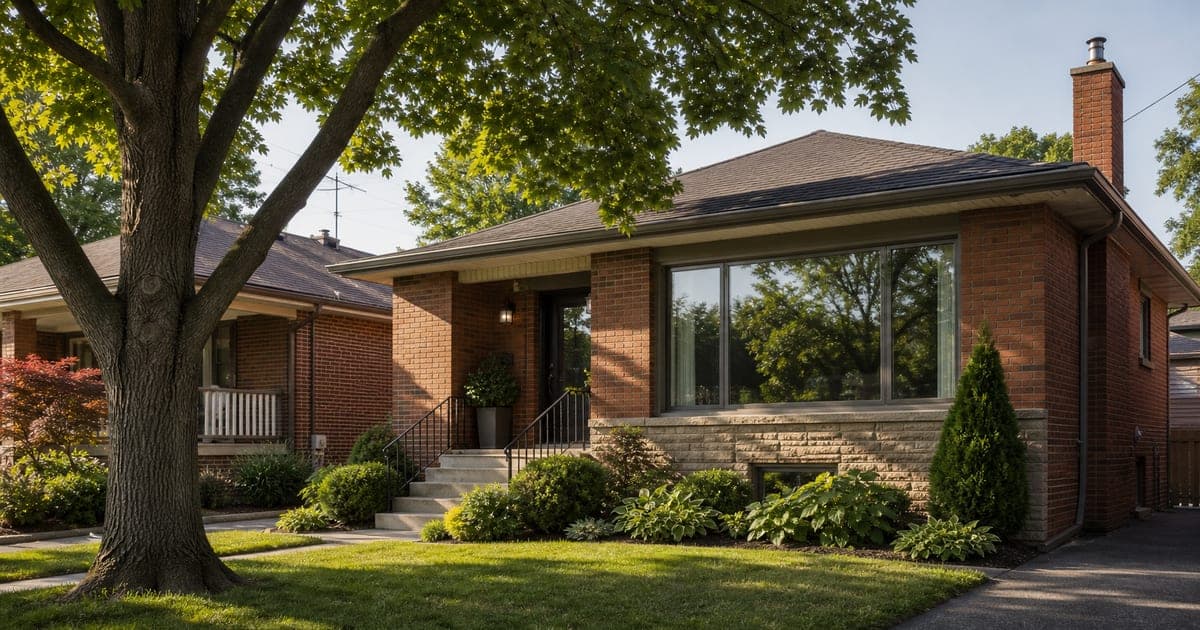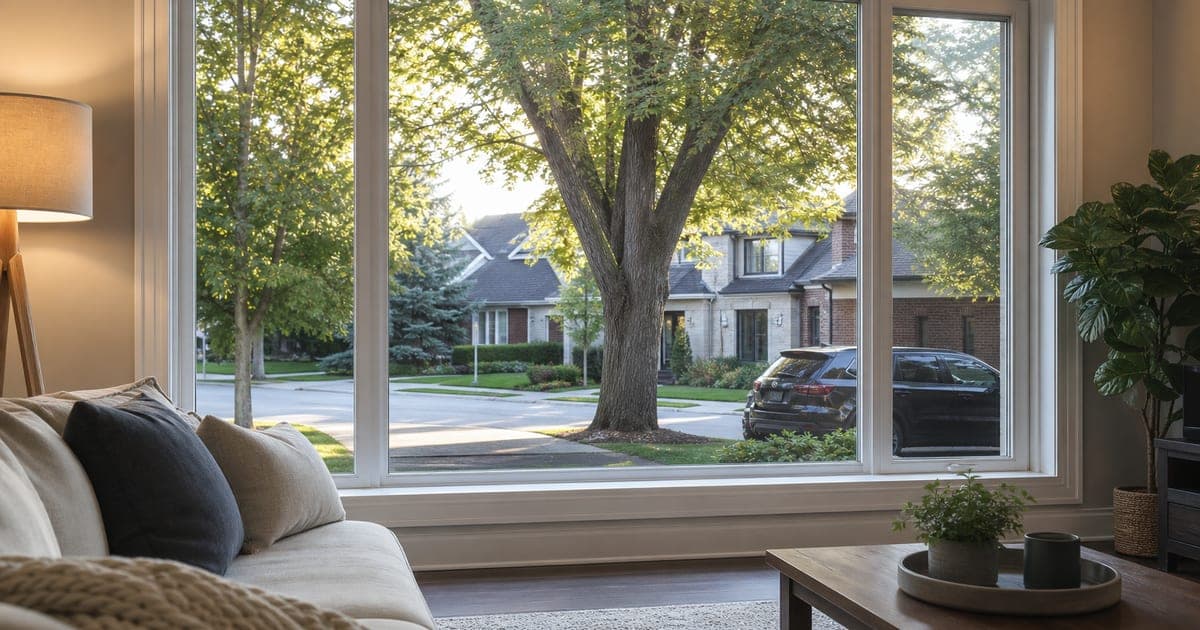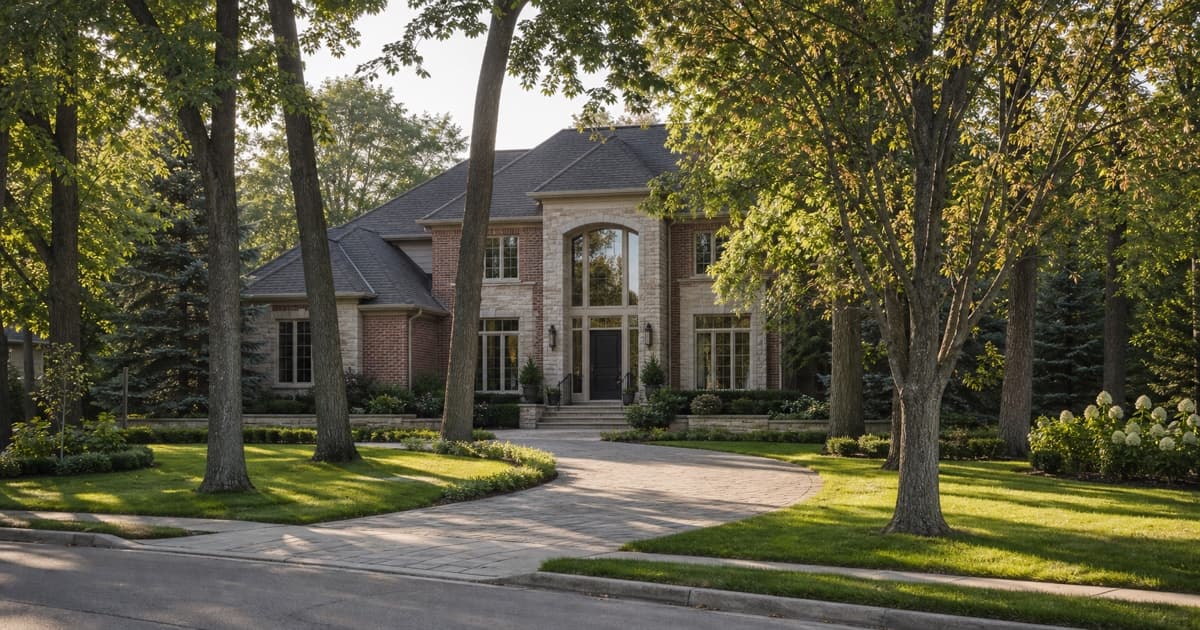
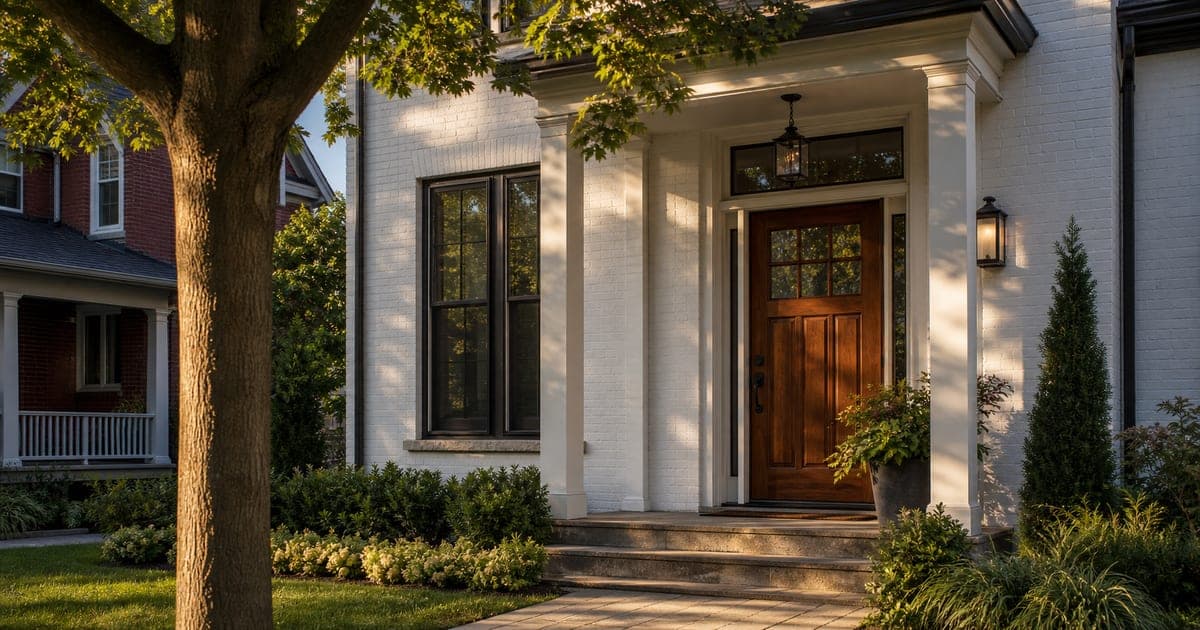
The phrase “easy target” can make home security sound like guesswork about what an intruder is thinking. A more useful approach is to look at conditions you can actually change. Are the doors and windows locked? Can neighbours see the side and rear entries? Is reachable glass part of the plan? Does the property look unattended?
That is also how official GTA prevention guidance is structured. Police services recommend practical layers such as locks, lighting, clear sightlines, collected deliveries, and help from a trusted neighbour. None guarantees prevention. Together, they remove avoidable weaknesses and make a home less straightforward to approach or enter.
Start with what is visible and controllable
Toronto Police home-security guidance begins with the basics: keep doors and windows secured, maintain the property, use lighting thoughtfully, and arrange for someone to check the home when you are away. York and Durham police publish similar advice.
These steps matter because they are specific. You do not need to profile a stranger or guess which entry point someone would choose. You can confirm that a basement window is latched, remove a hidden spare key, collect parcels, and ask a trusted neighbour to watch the property during an absence.
When a home will be unattended, vary indoor light timers and prevent flyers or deliveries from accumulating. These are sensible risk-reduction steps, not proof that a home will be ignored.
Check sightlines around doors and windows
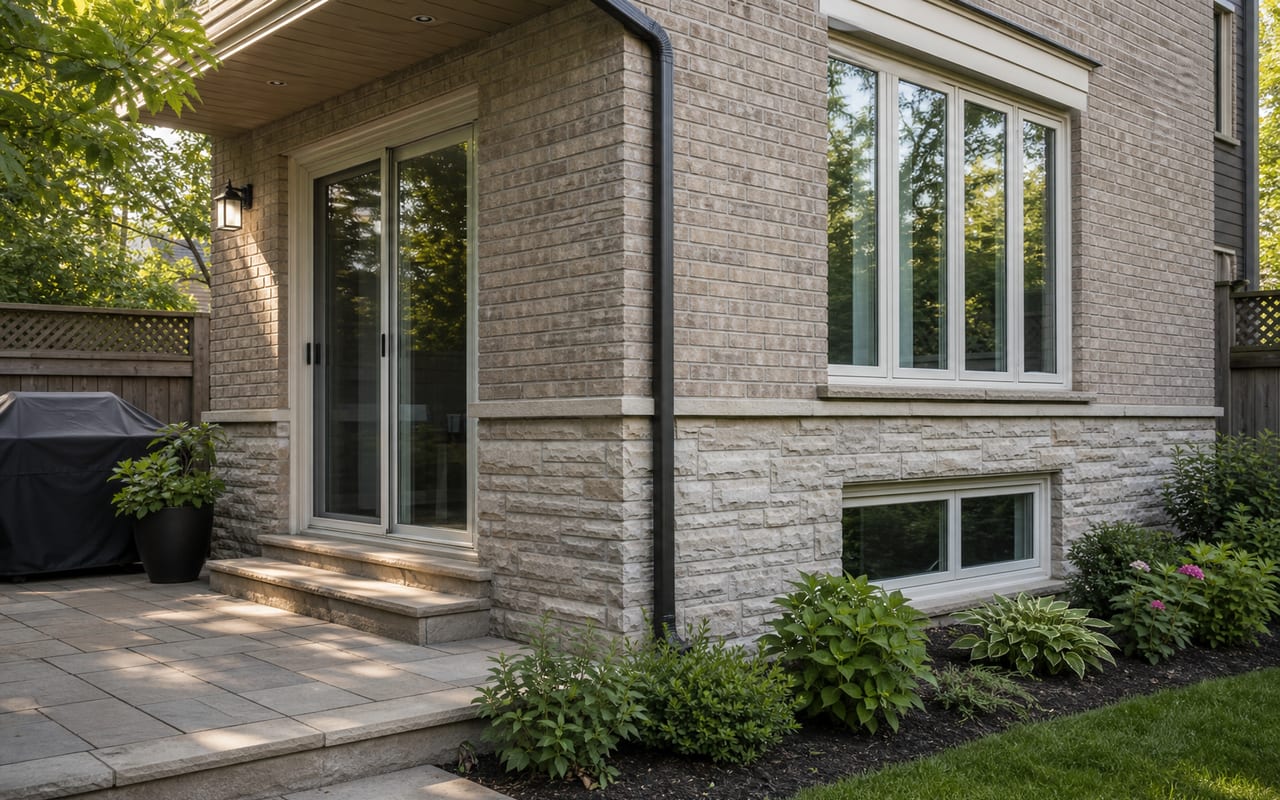
Privacy landscaping is useful, but it can also hide the condition of a side door, rear slider, or basement window from neighbours. York Regional Police CPTED guidance recommends keeping doors and windows visible where practical, trimming vegetation that blocks sightlines, and lighting dark areas around a property.
Walk the outside of the home in daylight. Look at the front entry, each side passage, the rear door, the patio slider, and the basement line. Note where a fence, hedge, grade change, or addition blocks the view. The goal is not to remove every tree. It is to understand which entry points receive little natural observation and may deserve better lighting or a closer physical-security review.
Lock the simple entry points first
Before considering a product, confirm that every door and window closes and locks correctly. Include the doors people forget: the side entry, the rear walkout, and the door between an attached garage and the home.
For a patio slider, police guidance recommends the installed lock plus an appropriate secondary track or anti-lift device. A purpose-made bar or snug dowel can help prevent the moving panel from sliding. The exact hardware must fit the door and preserve safe operation.
Do not hide a spare key outside. Leave one with someone you trust. If the home will be unattended, arrange for mail and parcels to be collected, paused, redirected, or held through an available carrier option.
A Clear Guard assessment starts after these basics. We identify which glass and hinged-door frames still need a physical-delay layer and which areas do not require work.
Review reachable glass without making assumptions
Reachable glass includes ground-floor windows, basement windows, patio sliders, and glass beside a door. The right question is not whether all of it needs film. It is which panes are accessible, what type of glass and frame they use, and what happens if the glass fractures.
Security film helps hold glass fragments together and adds resistance after impact. It does not make the glass unbreakable, guarantee that it remains in the frame, or promise a universal delay time. Results depend on the glass, frame, film, installation, and the way force is applied. XPEL describes the same fragment-retention and delay purpose.
For a closer explanation, read How Security Window Film Works and Which Security Film System Fits Your Home.
Treat the door as an assembly
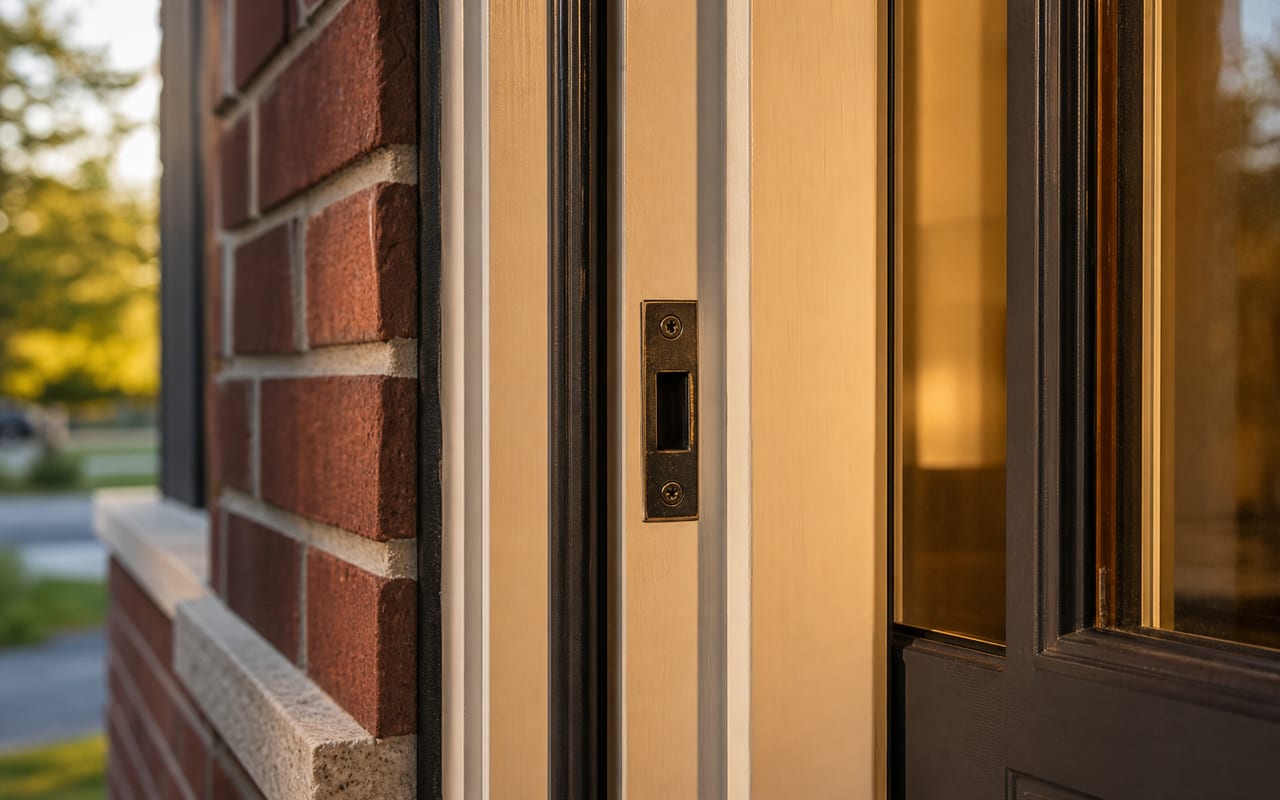
A strong lock does not answer every question about a hinged entry door. The condition of the slab, frame, strike zone, surrounding glass, and installation all matter. A technician should inspect the complete assembly instead of prescribing one hardware change from a photo.
ARX Guard door fortification is Clear Guard's option for adding resistance to eligible hinged-door assemblies. Component selection depends on the door and what the client wants, so we do not publish a universal hardware specification or force rating.
Read Why Your Front Door Might Be Your Biggest Security Risk for a fuller door assessment, then use After a Nearby Break-In for a calm household checklist.
What film system does Clear Guard usually install?
Clear Guard's primary residential system combines 14 mil interior security film with 7 mil exterior security film on the same pane. Most clients receive both layers after we assess the glass, frame, access, and site conditions.
The two products are surface-specific. The 14 mil film is installed on the interior face and the 7 mil exterior film on the exterior face. They are not interchangeable thickness choices.
Where security and privacy are both needed, 12 mil frosted matte interior security film provides an obscured finish. 8 mil interior security film remains a selective option for particular applications; it is not Clear Guard's standard or primary residential recommendation.
The assessment decides which panes merit the primary system, a privacy film, a selective option, or no film. The result is a written quote tied to the actual property, not a one-size-fits-all package.
Build a layered plan, not a promise
Locks, lighting, sightlines, neighbours, alarms, cameras, security film, and door fortification do different jobs. Electronic systems can detect or document activity. Physical upgrades can add resistance. A household plan covers how to call 9-1-1, avoid engagement, and reach safety if an incident occurs.
No single layer makes a home “safe” in absolute terms. The practical outcome is a property with fewer obvious maintenance gaps, better observation, and more resistance at selected glass and doors. Layered Family Safety Planning brings those pieces together.
Frequently asked questions
What is the first thing I should check at home? Confirm that every exterior door and accessible window closes and locks properly. Include basement windows, the patio slider, side and rear doors, and the garage-to-house door. Then review lighting, sightlines, and any glass beside a lock.
Does security film stop a break-in? No. Security film helps hold fractured glass together and adds resistance after impact. It does not make glass unbreakable or guarantee prevention, and performance depends on the full installed glazing system.
Do I need film on every window? Usually not. An assessment should prioritize accessible glass based on the pane, frame, location, and household needs. Some windows may receive the 14 mil interior plus 7 mil exterior system, while others may call for privacy film, a selective 8 mil option, or no film.