Before you invest in security film or window replacement, you need to know what type of glass is in your windows.
Single-pane? Tempered? Laminated? The type determines whether you need protection and what protection makes sense.
This post explains how to identify what you have — using simple tests you can do yourself — so you can make an informed decision about whether film, replacement, or nothing is the right choice.
Why Glass Type Matters
The security of a window is determined by what happens when the glass breaks.
Single-pane (annealed) glass: Breaks into large, sharp fragments that clear away. The opening is immediately accessible.
Tempered glass: Shatters into small cubes but doesn't hold together. The opening is still accessible.
Laminated glass: Has an interlayer that holds the glass together. The pane holds after breaking.
Security film: Applied to the surface; holds broken glass together like laminated glass.
Knowing what you have tells you whether you need protection. If you have tempered or laminated glass, you're already protected. If you have single-pane annealed glass, film is an option.
Window Age as a Clue
Age gives you a starting point:
Pre-1980s: Almost certainly single-pane annealed glass. No security benefit.
1980s–2000s: Most likely original double-pane with annealed glass. No security benefit unless it's been replaced.
2000s–present: Could be anything. Check the window; age alone isn't definitive.
Replaced windows: If you see different window styles in your home, some were likely replaced. New windows might have different glass types than original.
Age is a clue, but you need to verify by testing or looking at manufacturer codes.
The Sound Test
Tap the glass gently with a small object (coin, key) from inside.
Single-pane or annealed glass: Produces a clear, ringing sound. The sound carries and lingers.
Tempered glass: Produces a dull, flat thud. The sound is dampened.
Laminated glass: A sound between clear and dull. The interlayer dampens it slightly.
Limitation: This test isn't foolproof. You need to compare windows or know the baseline. But it's a useful first check.
Visual Inspection
Look carefully at the glass:
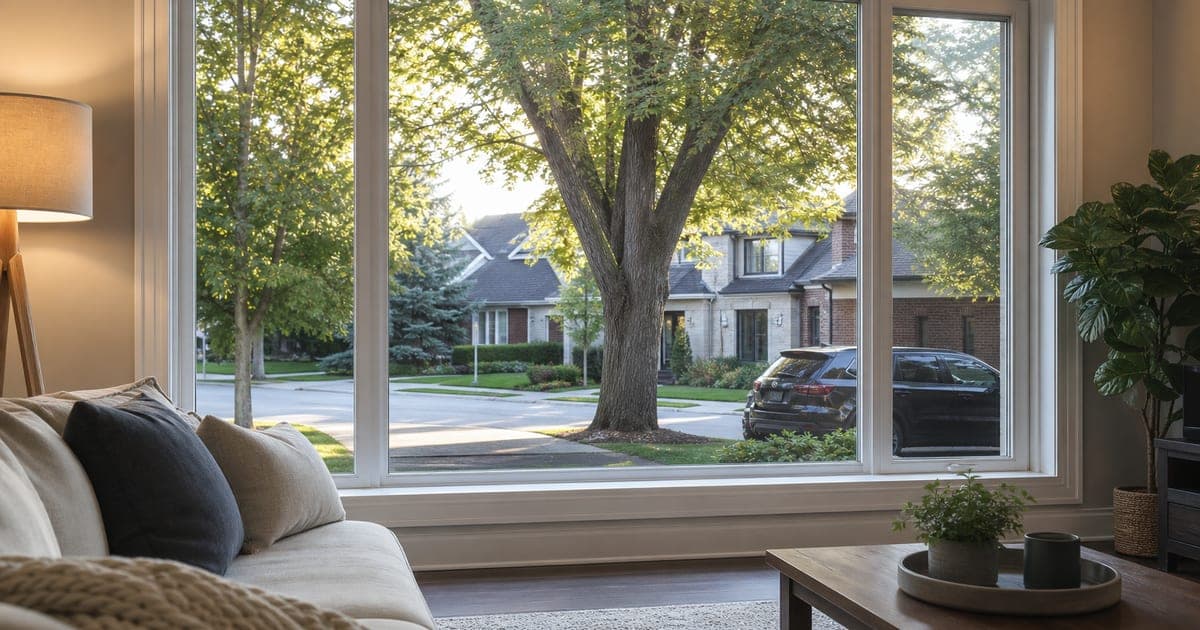
Single-pane: You see glass from outside and inside with nothing between them.
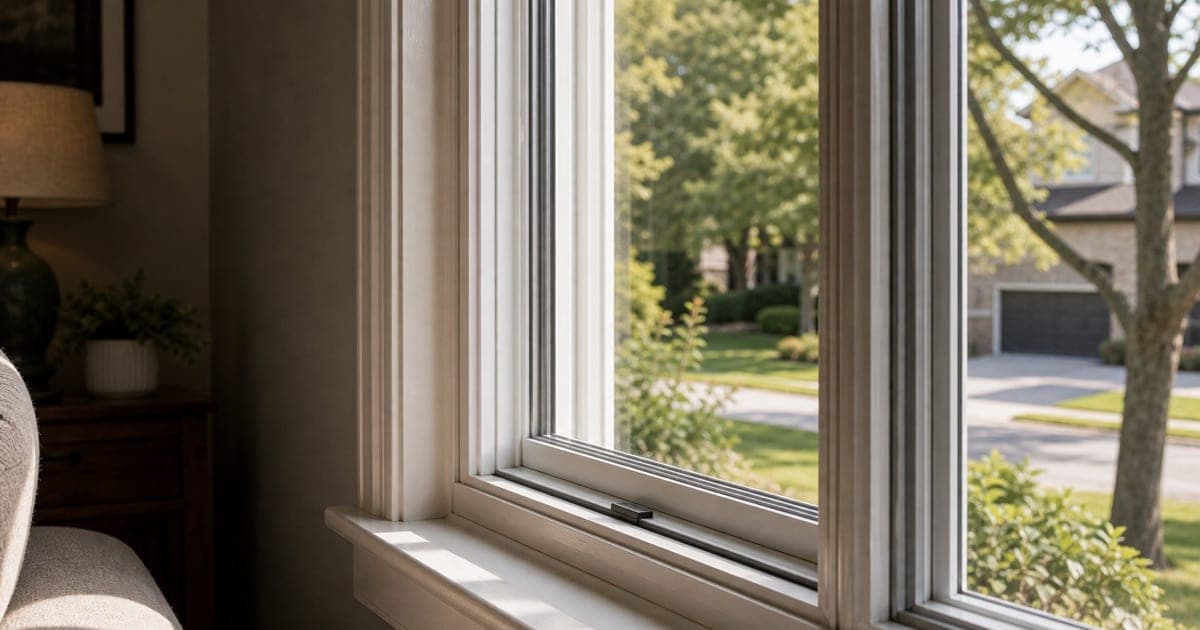
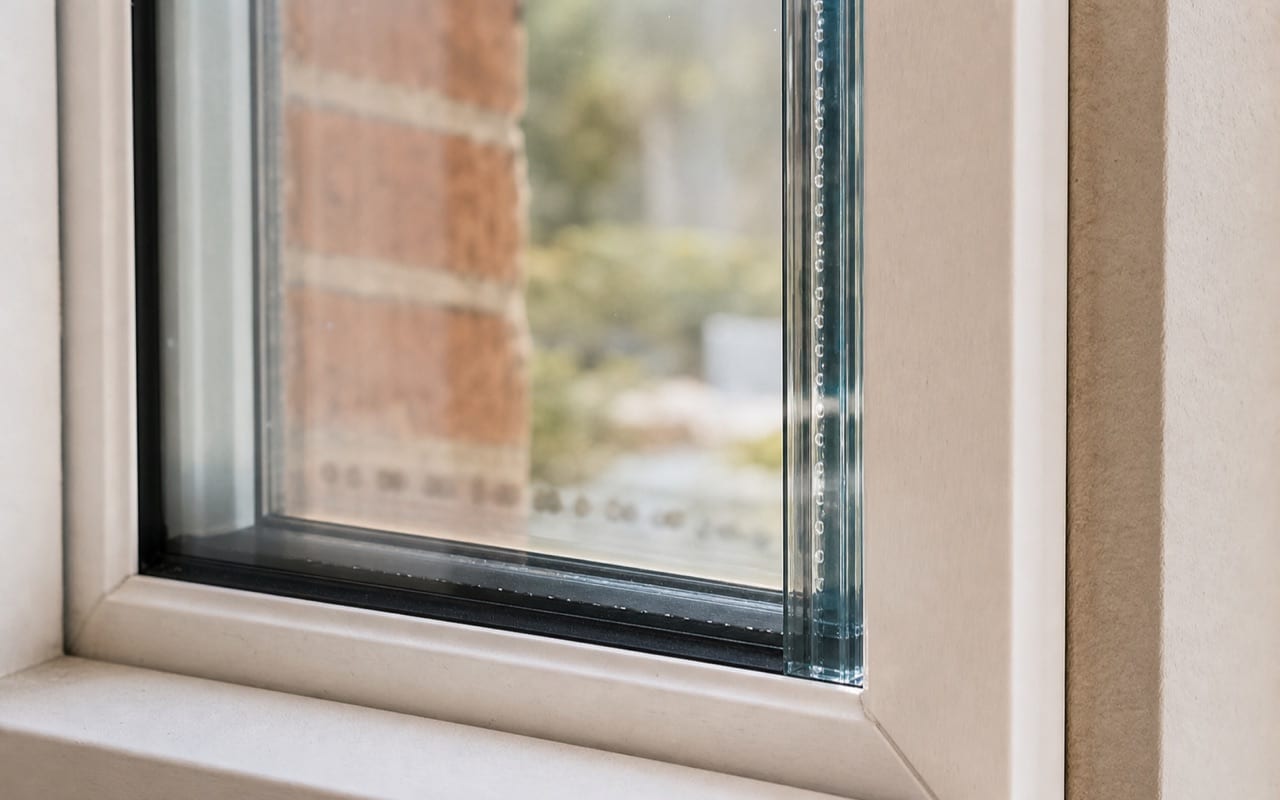
Double-pane (annealed): You see two clear panes with space between (air gap or inert gas). Both panes are usually clear.
Tempered glass: May have subtle surface distortions under certain light. Harder to scratch if you try.
Laminated glass: Look at the edge of the glass (where you can see the side). Laminated glass edges show a faint interlayer — the PVB (polyvinyl butyral) is slightly opaque or amber-tinted. The glass may have a very slight amber or yellow tint.
Manufacturer codes: Look for small stamps or etchings on the glass corner or edge. Codes may say:
- "TEMP" or "TMP" = tempered
- "LAMI" or "LAMINATED" = laminated
- "SG" or "SAFE" = safety glass (tempered or laminated)
- No marking = likely annealed (standard, non-tempered)
When to Be Concerned
Be concerned if you have single-pane or original double-pane annealed glass on:
- Ground-floor windows
- Basement windows or hopper windows
- Patio sliders or sliding glass doors
- Windows within arm's reach of doors (sidelights, side windows)
Not a concern if:
- The window is upper-floor (second story or higher)
- The window is tempered or laminated
- The window is not part of a main entry vector
Next Steps Based on What You Find
If you have vulnerable glass (annealed, ground-floor):
- Ground-floor windows: Consider film retrofit
- Patio sliders: Film is the answer
- Basement windows: High priority for film
- Sidelights: Film is the most cost-effective approach
If you have tempered or laminated glass:
- You're already protected from the glass-breach vector
- Priorities shift to frame, locks, and doors, not glass
If you're unsure:
- Take photos of the window code/stamp
- Contact the window manufacturer with the code (they'll identify the glass type)
- Ask a technician during a free assessment
The Film Decision
If you find vulnerable glass:
Single-pane or original double-pane annealed = good candidate for security window film
- Film holds shattered glass and resists the hand-reach-through
- Clear Guard’s primary specification is 14 mil interior with 7 mil exterior on the same pane
- Most clients receive both layers after the glass and frame are assessed
- 12 mil frosted matte interior security film is available where privacy is also required
- 8 mil interior security film is used selectively
- Cost is lower than window replacement
- No construction disruption
Tempered or laminated = not in need of film
- Already protected
- No security upgrade needed (though UV/privacy film can still be applied for other reasons)
FAQ
How can I tell if my glass is tempered or laminated?
Tap it gently; tempered produces a dull thud, annealed produces a ring. Look at the edge; laminated shows an interlayer. Check for manufacturer codes (TEMP, LAMI, etc.).
Is single-pane glass a security risk?
Yes, on ground-floor windows, basement windows, or patio sliders. Single-pane annealed glass breaks into large fragments and clears the opening.
Should I replace my annealed windows?
Not necessarily. If your frame is sound and your only concern is glass vulnerability, film is a cost-effective retrofit. Replacement is more expensive unless you're upgrading for other reasons (energy efficiency, age, etc.).
Related reading
Book a free glass assessment. A technician will identify the glass type on your ground-floor and high-risk windows, confirm whether film is recommended, and provide a quote. Written summary within 48 hours, no obligation. This assessment is free for DIY homeowners who want professional confirmation.